

A dining table is one of the few furniture pieces that affects both the look and daily function of your home. A table can look perfect in a showroom but feel completely wrong once it enters your space because the size, shape, or design does not match how you actually use the room.
Before buying a dining table, the first step is not choosing a style. It is understanding your space, your daily routine, and the way the table needs to work for you. A family that uses the table every day has different needs from someone who mainly hosts guests, and a large villa requires a different approach compared with a compact apartment.
The right dining table should give you enough space to sit comfortably, move around easily, and fit naturally with the rest of your interior. In this guide, we will look at the decisions that matter before buying a dining table, from choosing the right size and shape to selecting materials and understanding when a custom dining table is the better option.
Start With Your Space
The size of a dining table should be decided before you fall in love with a design. Many buyers choose a table they like visually and only later realise that it does not fit the way they use their home.
Start by thinking about the number of people who will normally sit at the table, not the maximum number you might need once or twice a year. A table for everyday use should give each person enough space to eat comfortably without feeling crowded.The shape of your room also changes the size that works best. A long dining area can usually handle a rectangular table, while a smaller or more open space may feel better with a round or oval design because it allows easier movement around the table.
Another detail that is often missed is the space needed when chairs are in use. A dining table may fit perfectly when empty, but become uncomfortable once chairs are pulled out and people are sitting around it.Choosing the right size is about finding a table that fits your real lifestyle, not simply choosing the largest table that can enter the room.

Choosing the Right Dining Table Material
The best dining table material depends on how you will use the table every day. If the table will be used for daily family meals, wood is often a practical choice because it creates a warm look and feels comfortable in everyday spaces. It is also easier to combine with different interior styles, from modern to more classic homes.
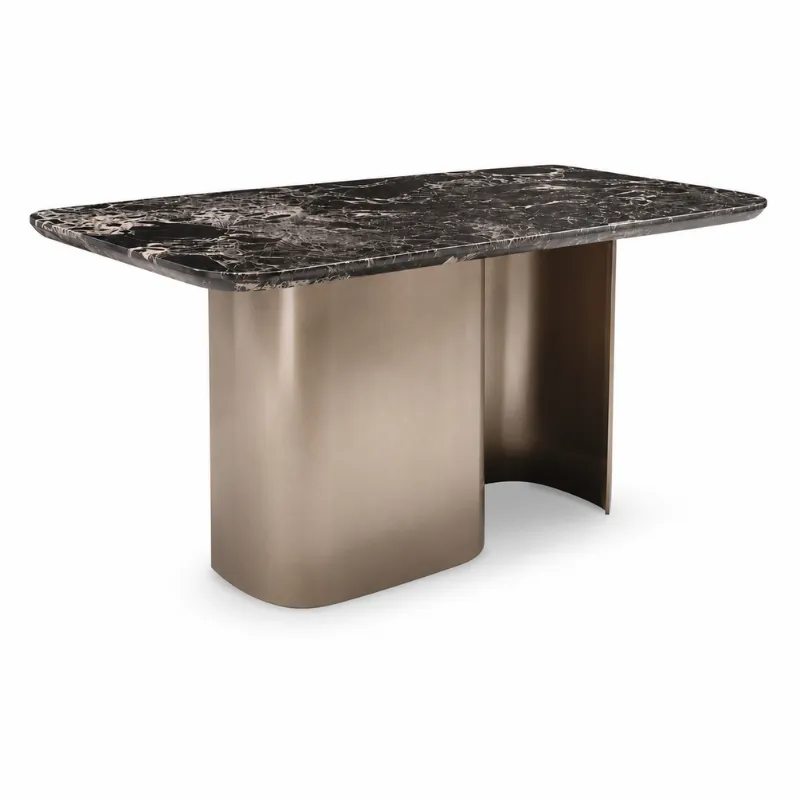
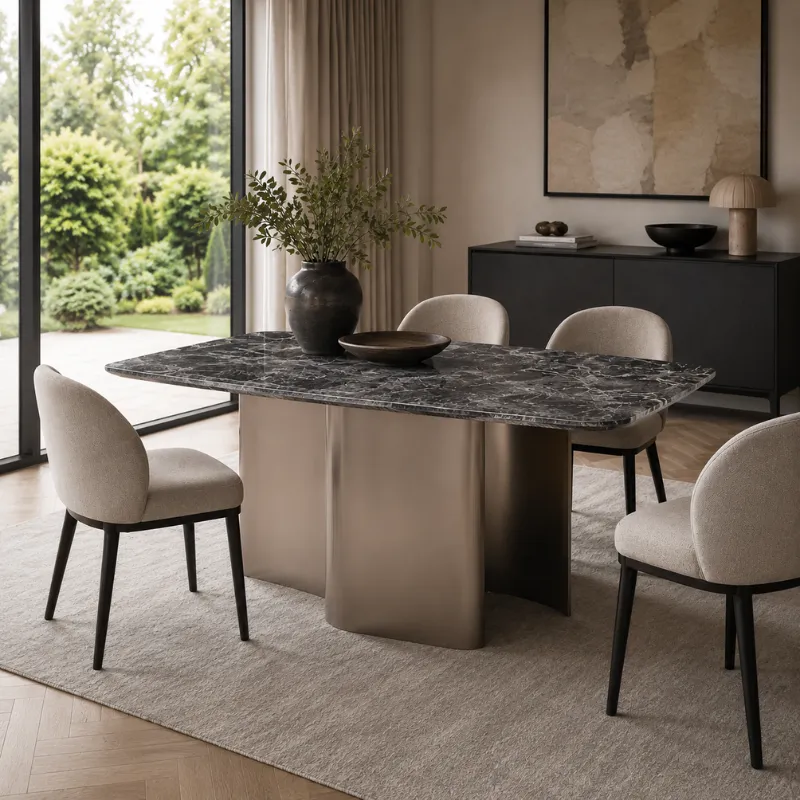
If your goal is to create a luxury dining area where the table becomes a statement piece, materials like marble can create a stronger visual impact. However, they may require more care because lighter surfaces can show stains and marks more easily.
For homes with limited space, glass can be useful because it keeps the room visually open. The downside is that it requires more frequent cleaning and may not be the best choice for every busy household.Before choosing a material, think about your priority: do you want a table that is easy to live with every day, a luxury centerpiece, or a balance between both?
| Material | Best For | Consider Before Choosing |
|---|---|---|
| Solid Wood | Warm, comfortable family homes | Check wood quality and finish because they affect durability. |
| Marble / Stone | Luxury dining areas and statement interiors | Some surfaces need more care against stains and marks. |
| Glass | Small spaces that need a lighter look | Requires more cleaning because fingerprints are easier to notice. |
Dining Table Material Guide
Best for homes that want a warm and natural feeling. A good choice for daily use because it creates a comfortable atmosphere.
Suitable for luxury interiors where the table becomes a visual focal point. Consider maintenance requirements before choosing lighter surfaces.
Works well in smaller spaces because it keeps the room visually open. The main downside is that marks and fingerprints are easier to see.
Dining Table Style Match
- Light interiors: Natural wood tones add warmth without making the space feel heavy.
- Dark interiors: Lighter table surfaces create contrast and keep the room balanced.
- Small spaces: Light colours, simple designs, and thinner bases help the area feel more open.
- Large dining rooms: Darker finishes and stronger designs can create a statement piece.
- Family-focused homes: Wood textures create a warmer and more comfortable atmosphere.
- Luxury interiors: Premium materials and refined finishes create a more elegant look.
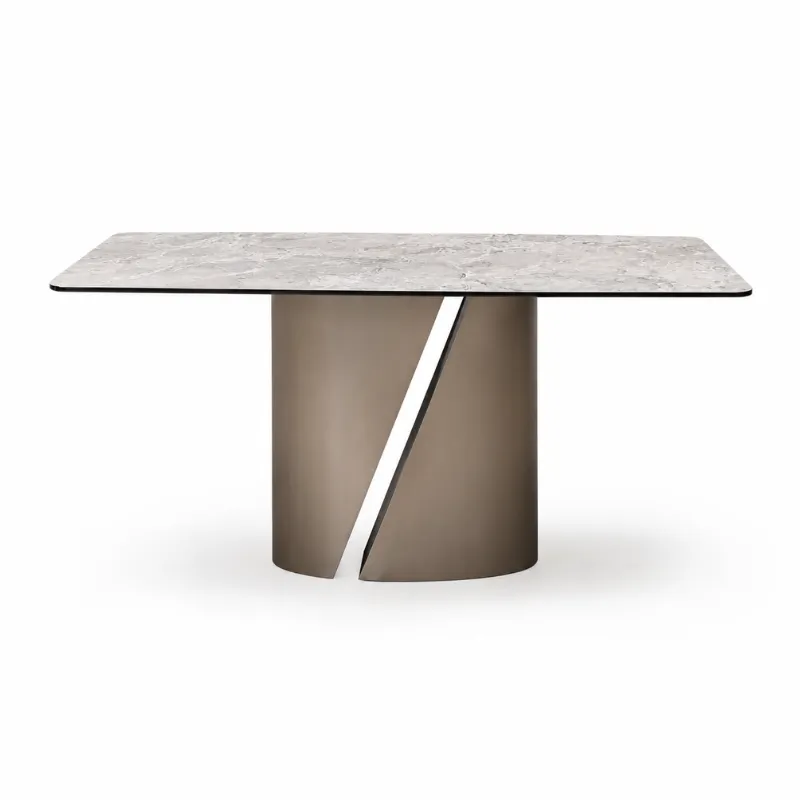
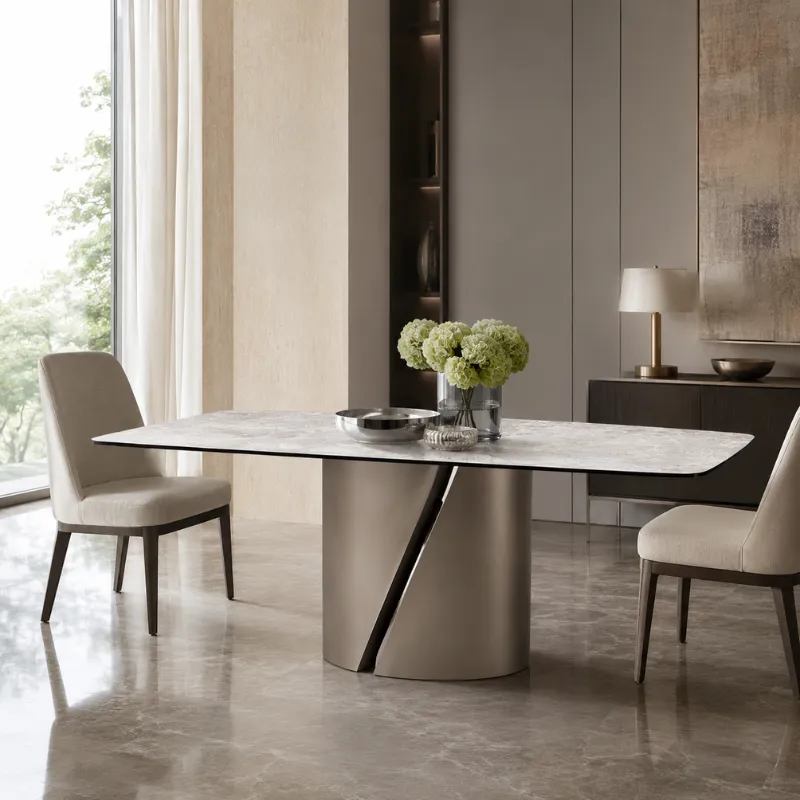
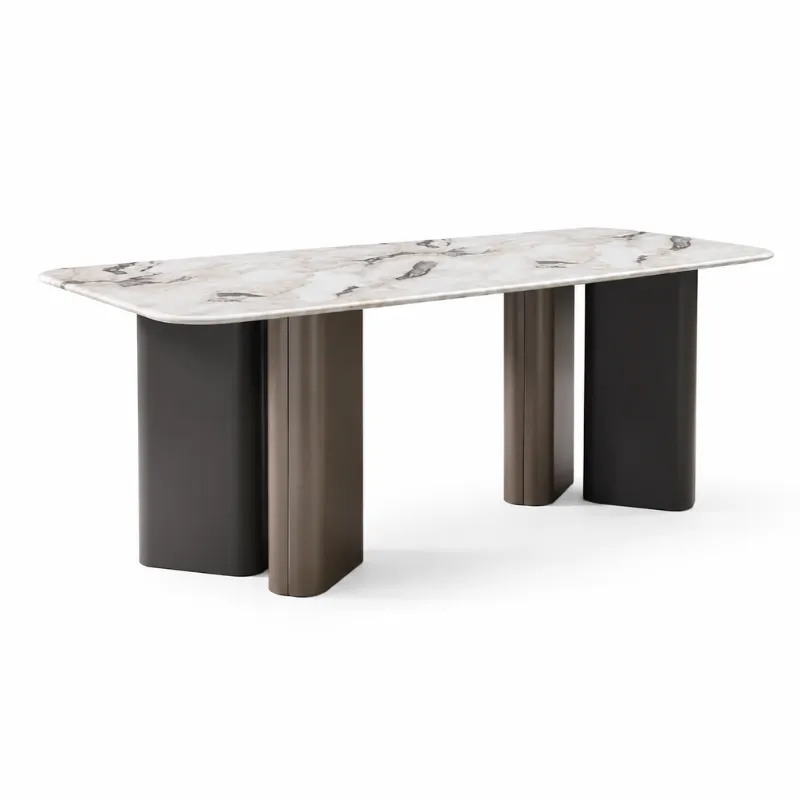
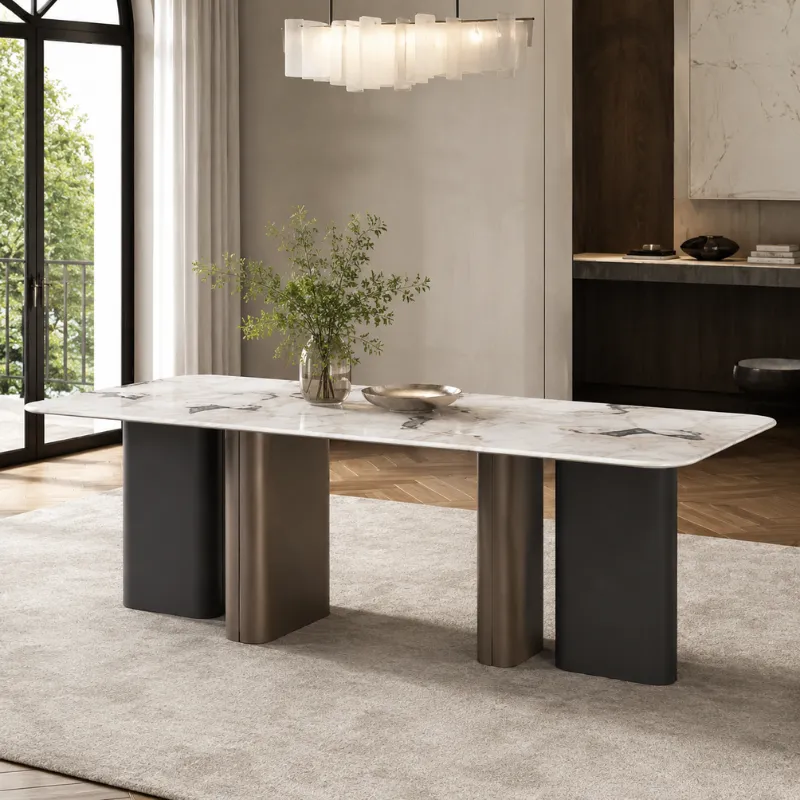


Custom Dining Tables vs Ready-Made Options
Choosing between a ready-made and custom dining table depends on how well standard designs fit your space. Ready-made tables are suitable when you need a faster option and available sizes already match your room.
custom Dining table is a better choice when you need specific dimensions, unique materials or a design that matches your interior. For example, a large dining area may need a longer table to maintain balance, while a small apartment may require a specific width to keep movement comfortable. The main difference is flexibility. Ready-made tables offer convenience, while custom tables allow the design to be built around your space and lifestyle.

Match Your Dining Table With Your Interior Style
Dining table should feel connected to the rest of your interior, not look like a separate piece placed in the room. Before choosing a design, consider the materials, colours and overall style already used in your home. Working with Custom Furniture in Dubai can also help create a dining table that matches your space, from the size and materials to the final design details.
For example, a solid wood dining table can add warmth to spaces with natural textures and neutral colours, while a marble or glass design may work better in modern interiors with cleaner lines. The shape and finish of the table also affect the visual balance of the room. A heavy dark table can make a small dining area feel more crowded, while a lighter design can help the space feel more open.
The goal is not to match every detail perfectly, but to create a balanced connection between the dining table and the surrounding furniture. A well-chosen table should support the design of the room while remaining practical for everyday use. A customised approach allows the dining table to become part of the complete interior rather than just another furniture piece.
Final Thoughts
Before buying a dining table, focus on how it will work in your real space. The right choice should balance size, comfort, durability and design without creating problems in daily use. A dining table is not only a visual element in your home; it is a piece of furniture used every day. Choosing one that fits your space and lifestyle will make the difference between a table that only looks good and one that truly works.
Frequently Asked Questions
What should I consider before buying a dining table?
Before buying a dining table, consider the room size, available movement space, number of users, material durability and how the table will be used every day.
How do I choose the right dining table size?
Measure the full dining area, not only the empty space. Leave enough room around chairs for comfortable movement and choose a size that matches your daily seating needs.
Which dining table shape is best for my space?
Rectangular tables work well in larger rooms, while round or oval tables can improve movement and conversation in smaller spaces. The best shape depends on your room layout and how you use the table.
What is the best material for a dining table?
The best material depends on your lifestyle. Wood offers warmth and durability, while marble, glass and other finishes create different looks with different maintenance requirements.
Is a custom dining table worth it?
A custom dining table is useful when you need specific dimensions, unique materials or a design that matches your interior. It allows the table to fit your space instead of adjusting your space around a standard size.
Also Read: Sofa Buying Guide Types, Sizes Selection Tips