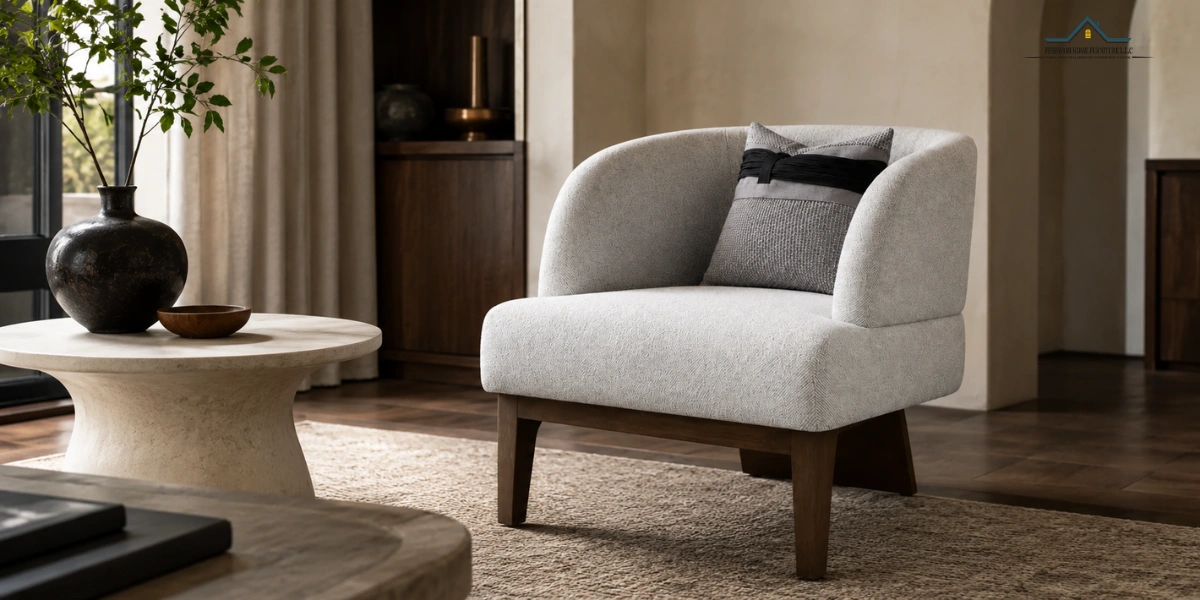
Poor-quality furniture rarely reveals its weaknesses on the day of purchase. The problems usually appear later, when a seat begins to sag, an armrest moves under light pressure, upholstery seams start to open, or drawers no longer close evenly. This is why a polished appearance, heavy weight, or high price alone does not prove that a piece is well made.
To judge furniture properly, each part needs to be considered as part of the full construction. The frame should withstand pressure without twisting, the joints should not rely only on screws and staples, the foam should recover quickly after compression, and the fabric should suit the expected level of daily use. Even the quality of the legs, hinges, drawer runners, and stitching can reveal whether the furniture was made for years of use or simply designed to look convincing in a showroom.
This guide focuses on checks that can actually be carried out before buying. It explains how to test frame stability, recognise weak cushioning, inspect upholstery and hardware, and spot poor finishing. By the end, you should know what to touch, which questions to ask, and which warning signs should not be ignored.
The Foundations of Furniture Quality
Furniture quality is not defined by price or a single material. It depends on whether the frame, joints, support system, upholstery, and hardware suit the way the piece will be used.
A daily-use sofa needs stronger construction and more durable cushioning than an occasional chair. A dining table needs enough support to prevent bending, while a storage bed requires reliable lifting hardware.
High-quality furniture feels stable, operates smoothly, and distributes weight without placing excessive stress on one weak connection. The materials do not need to be the most expensive; they need to be correctly chosen and properly assembled.
How to Check the Furniture Frame?
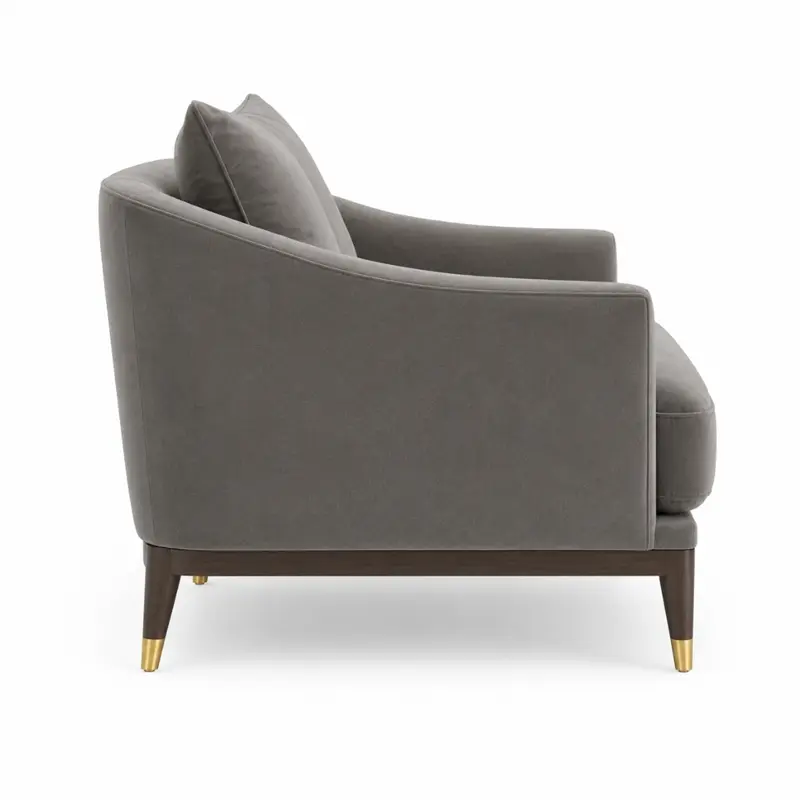
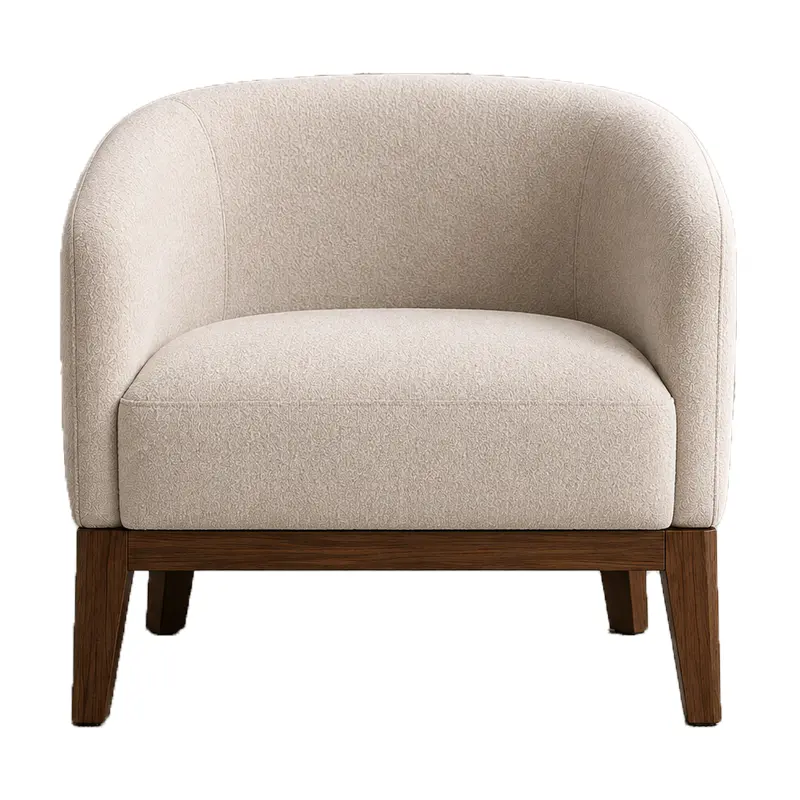
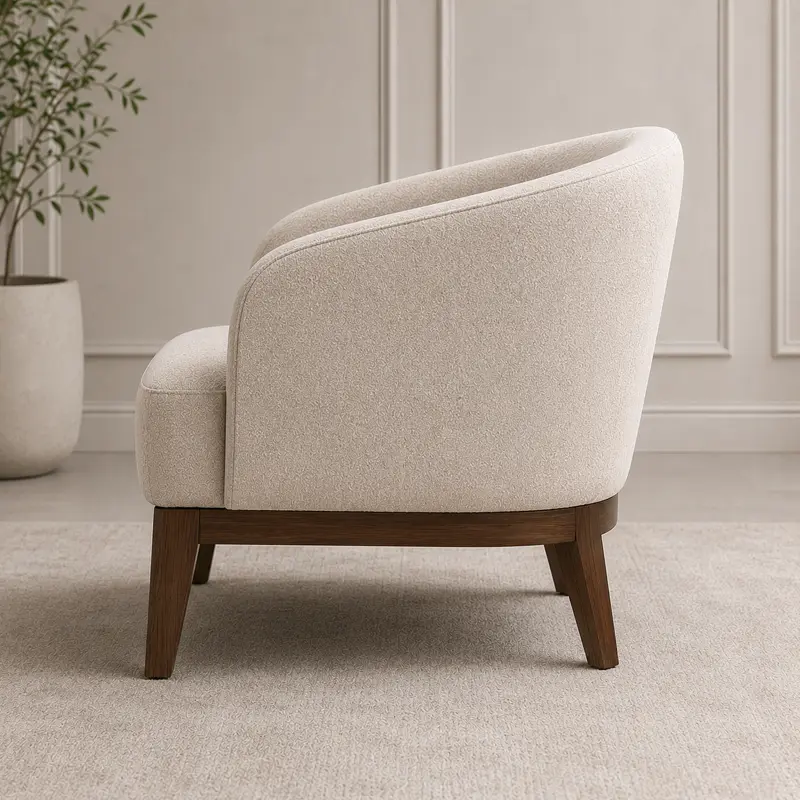
The frame is the part that keeps a sofa, chair, or bed stable. When choosing a custom sofa Dubai service, ask how the frame is built and reinforced before focusing on fabric or appearance. To check the finished piece, press down on the armrests, back, and front edge. These parts should not move separately, twist, or make a cracking sound. Even slight movement can become more noticeable after regular use.
Next, sit on different parts of the seat. The furniture should remain level and should not rock from one side to the other. Look underneath when possible. A stronger frame usually has support across the corners and centre, while a weak one may depend mainly on staples, thin boards, or a few visible screws. Do not judge the frame only by whether it is made from solid wood. Quality plywood can also perform well when it is thick enough and properly joined. The more useful questions are: What is the frame made from? How are the corners reinforced? Is there support under the centre of the seat or bed?
Feshwari Home
Discuss Your Custom Interior Project
Contact our team to discuss measurements, materials, finishes and
made-to-measure solutions for your home.
Strong furniture does not rely on a few screws or staples to hold everything together. The main connection points should fit tightly and be reinforced, especially around the corners, legs, armrests, and seat base.
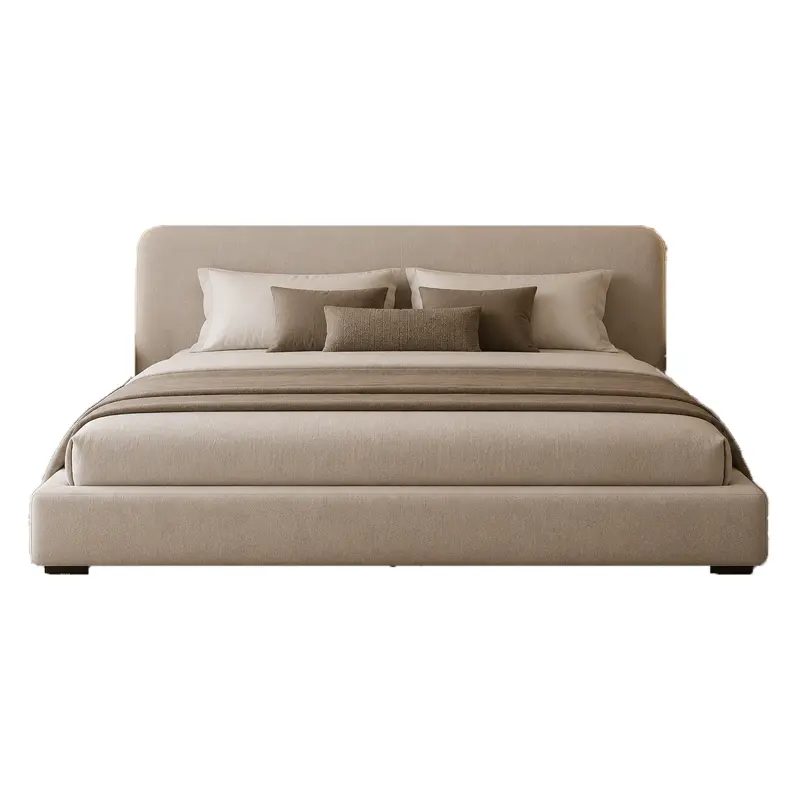
Check whether the legs feel firmly attached and whether the arms move when pressure is applied. On tables, cabinets, and beds, look for gaps where two panels meet. Uneven gaps, exposed glue, or movement around the connection usually indicate weak assembly.
Ask how the main joints are secured. Dowels, corner blocks, brackets, and properly fitted wood joints add strength. Screws can be useful, but they should support the structure rather than act as the only connection.
Materials Chosen for the Right Use
A material is only “high quality” when it suits the job it needs to do. Solid wood works well for load-bearing parts such as table legs and bed frames, while plywood can be a reliable choice for internal structures when it has enough thickness and proper support. MDF is more suitable for smooth cabinet panels and painted surfaces than for areas exposed to repeated heavy pressure.
The same rule applies to upholstery. A delicate fabric may work on a chair used occasionally but wear quickly on a family sofa. Before buying, ask where each material is used, how thick it is, and whether it can handle daily use, moisture, cleaning, or direct sunlight.
Be cautious when a seller mentions only the visible finish. Veneer, stone, fabric, or leather may look convincing, but the quality of the material underneath has a greater effect on how long the furniture lasts.
Start with the upholstery. Seams should run straight, fabric patterns should line up across cushions, and the material should sit evenly without loose areas or excessive stretching around corners. Pinch the fabric lightly near the edge; if it lifts far from the padding or feels poorly secured, the upholstery may loosen with regular use. When comparing sofa upholstery Dubai options, ask about abrasion resistance, cleaning requirements, and whether the fabric is suitable for daily use.
Next, test every moving part. Open drawers fully, move cabinet doors several times, and operate any storage or reclining mechanism. Movement should remain smooth, quiet, and aligned. A drawer that drops, rubs against the frame, or needs extra force may have weak runners or inaccurate assembly.
Finally, inspect the finish from close range. Look for uneven gaps, exposed glue, rough edges, mismatched legs, loose handles, or colour changes between connected panels. These details may seem minor, but several finishing faults on the same piece often indicate rushed construction elsewhere as well.
Feshwari Home
Discuss Your Custom Interior Project
Contact our team to discuss measurements, materials, finishes and
made-to-measure solutions for your home.
Good furniture should remain stable, comfortable, and easy to use after the first impression has passed. Check the frame, joints, cushioning, upholstery, hardware, and finishing as one complete system. If several parts move, creak, sag, or feel poorly aligned, the problem is unlikely to be limited to one area.
The most reliable purchase is not always the heaviest or most expensive piece. It is the one that suits its intended use, provides clear information about its construction, and performs well during practical checks. Taking a few minutes to inspect these details can prevent years of discomfort, repairs, or early replacement.
Frequently Asked Questions
What are the main signs of good furniture quality?
Good-quality furniture should have a stable frame, secure joints, supportive cushioning, durable upholstery and smooth-moving hardware. It should not rock, creak, twist or show uneven gaps between connected parts.
How can I check the quality of a furniture frame?
Apply light pressure to the arms, back and front edge, then sit in different positions. The furniture should remain level and quiet. Movement, twisting or repeated creaking may indicate weak joints or limited internal reinforcement.
Is solid wood always a sign of high-quality furniture?
No. Solid wood can still perform poorly when the joints, support system or preparation are inadequate. Quality plywood and engineered materials can also be reliable when the correct thickness, edge treatment and construction methods are used.
How can I test sofa cushions before buying?
Press the centre of the cushion for several seconds and release it. The foam should begin returning to its original shape immediately. Also sit near the front and sides to check whether the support remains even without excessive sinking.
Does a higher furniture price guarantee better quality?
A higher price does not guarantee stronger construction. Price may reflect branding, design or imported materials. Check the frame, joints, foam, upholstery, hardware, finishing and warranty before deciding whether the furniture offers good value.