
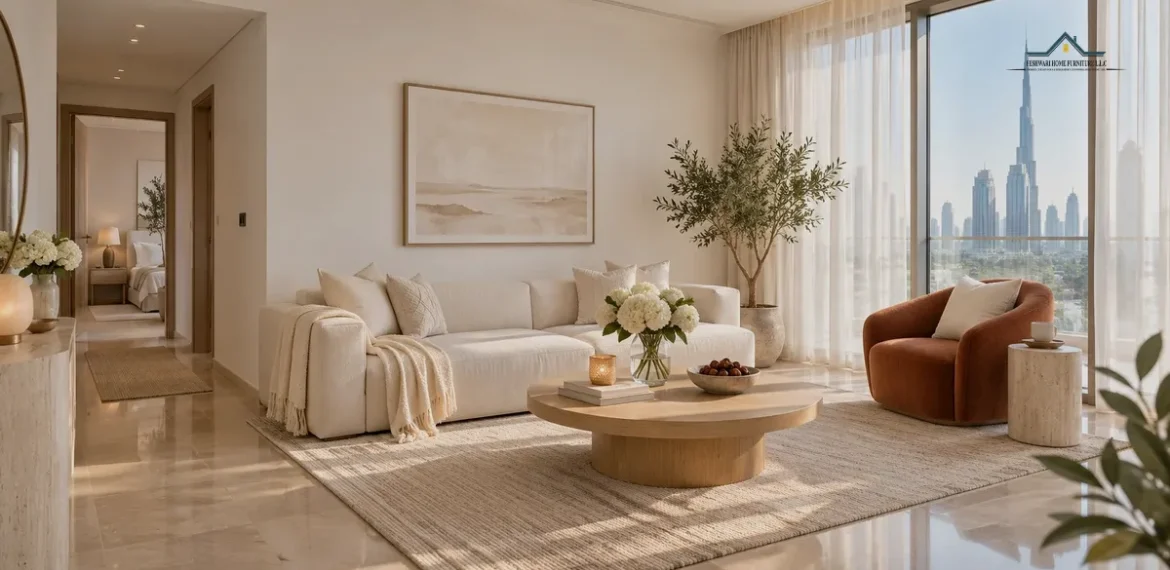
All white interiors are not out of style. They are simply no longer the only choice. Homeowners are adding colour, texture and personal details to make their rooms feel less uniform. In Dubai, this does not require a full renovation. A coloured armchair, a textured rug or a few carefully chosen accessories can change the character of a room.
The better question is not whether white is out. It is whether an all white room suits your home, its natural light and the way you use it.
Why are people moving away from all white interiors?
White remains popular because it can make a room feel bright and gives homeowners a flexible base for furniture and accessories. But when walls, floors and Custome furniture all share similar pale tones, the space can lack contrast and character. Marks and everyday wear may also be more visible on some white surfaces.
This shift is not a reason to replace every neutral surface with a trend colour. Pinterest’s 2026 trend report points to stronger interest in personal colour choices and vintage character. Recent interior design coverage of TikTok trends also highlights vintage furniture and more expressive details. These trends suggest that people want homes to feel individual, but they are not rules for every room.
How Dubai light changes the way colours look
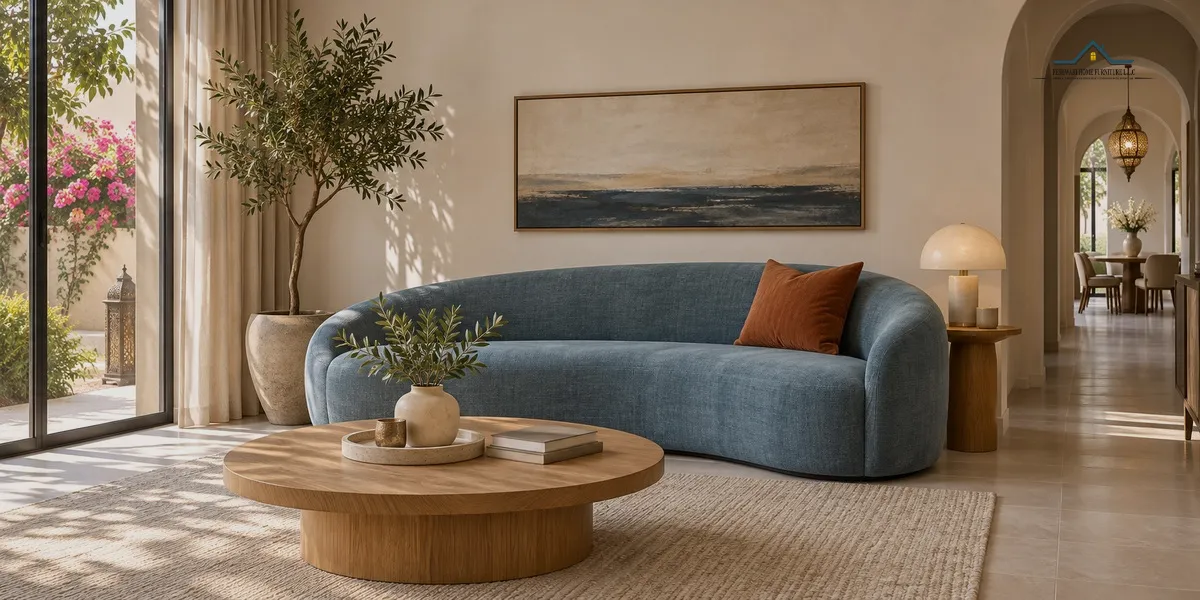
A colour can look different in the morning, at midday and after sunset. Direct sunlight may make a pale shade appear brighter, while a room with limited daylight can make the same colour feel cooler or darker. Evening lights also affect how walls, upholstery and flooring appear.
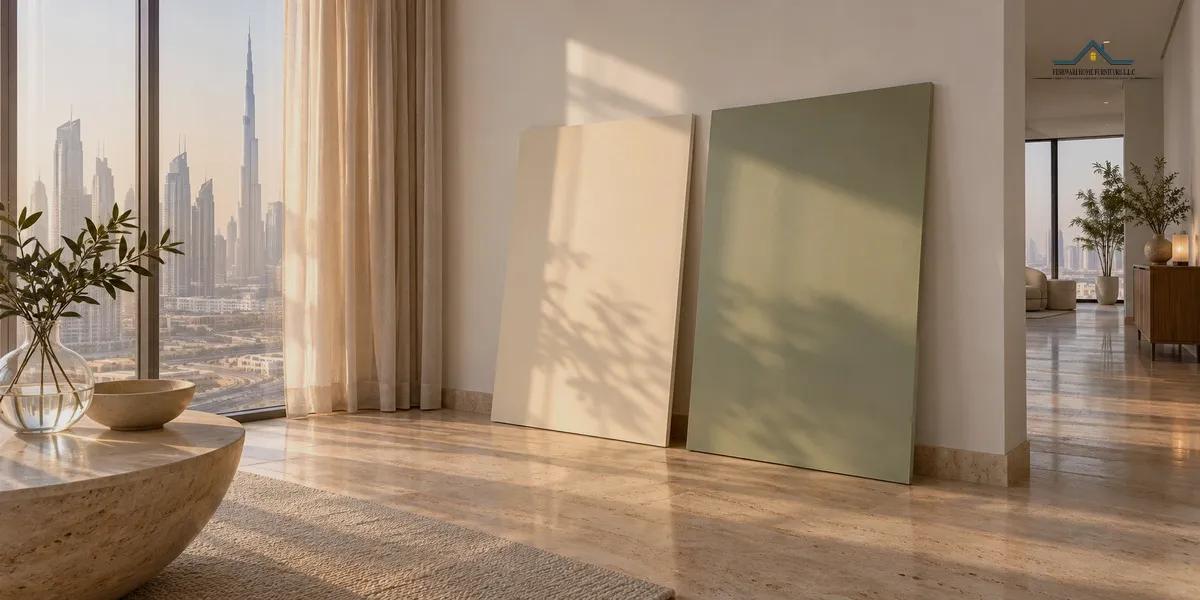
Before painting or ordering a large piece of furniture, test the colour in the room. Place a sample beside the floor, Curtain supplier Dubai and existing furniture. Check it in daylight and again under the lights you normally use. This is particularly useful when choosing between warm white, cool white and neutral shades, which can look similar on a small sample but noticeably different across a full wall.
Start with the finishes you cannot easily change
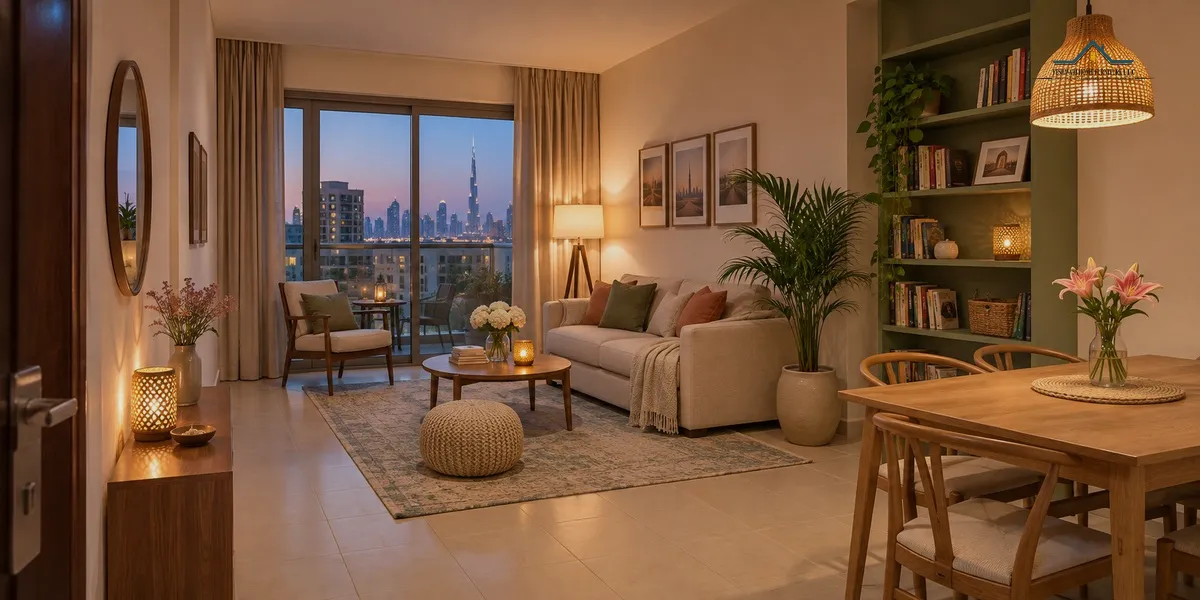
Look at the flooring, kitchen cabinets, stone, tiles and large furniture before choosing an accent colour. These finishes are usually harder or more expensive to replace than cushions or accessories, so they should guide your choices.
Warm wood and beige stone may work well with earthy shades such as olive, terracotta or muted blue. Grey flooring and black details may suit cooler blues and greens. These are starting points rather than fixed rules. Test colour samples against the actual materials in your home before making a decision.
Choose One Coloured Furniture Piece
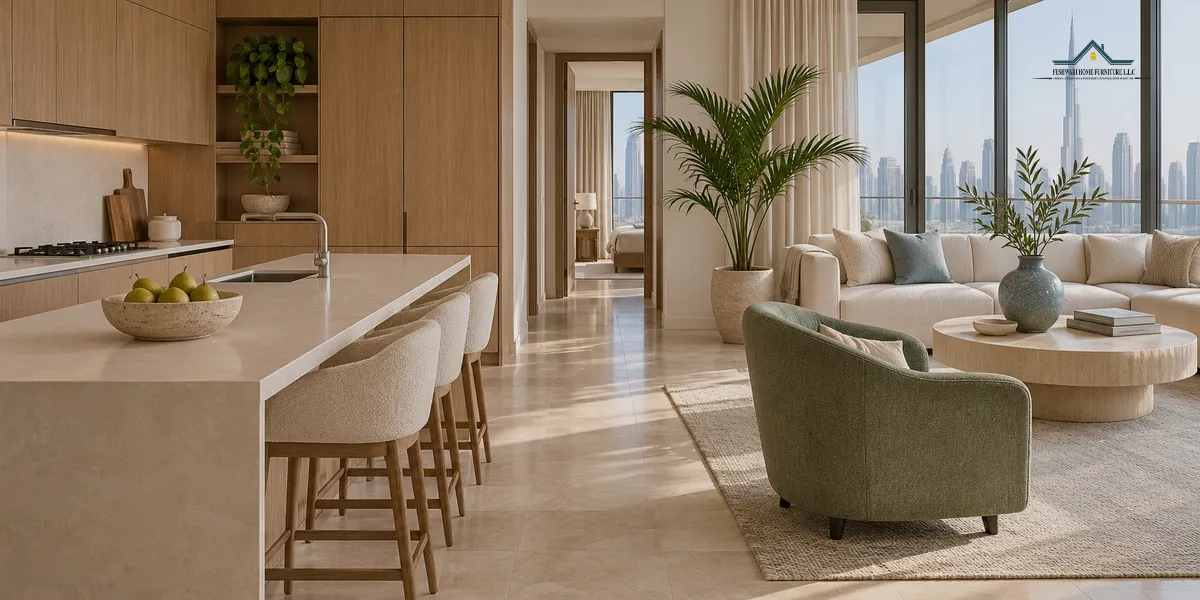
Let a sofa, armchair or sideboard carry the main colour. Repeat that shade once in a smaller detail to connect it with the room.
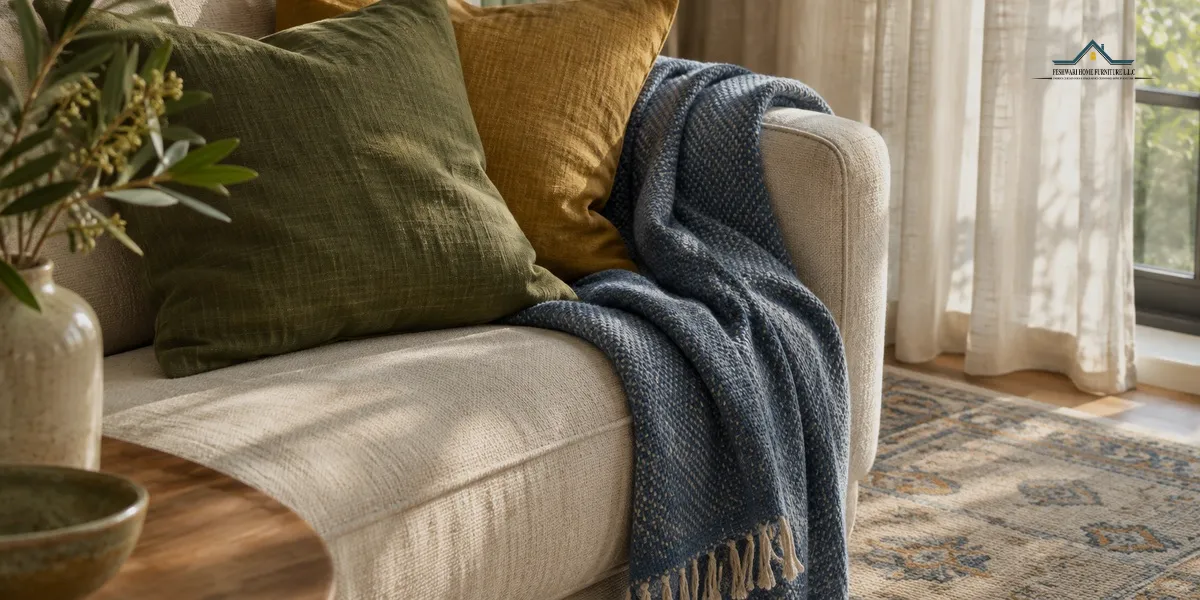
Test Colour with Textiles
Use a rug, cushions or curtains to see how a shade looks beside your flooring and furniture before making a larger change.
Colour a Smaller Surface
Try a side table, bookshelf backing or one wall. Check how it looks from the doorway and your usual seating position.
How to choose a colour that suits your home
Start with the mood you want. Soft greens and blues may feel calm, warm shades can make a room feel more intimate, and deeper colours can create contrast. The result depends on the light, size, finishes and furnishings in your room, so do not choose a colour only because it looks good in a social media photo.
Before committing, follow these steps:
1. Pick two or three colours that work with your fixed finishes.
2. Test samples beside the floor and your largest furniture piece.
3. View them in daylight and under your evening lights.
4. Check the colours from different parts of the room.
5. Make one change first and decide whether the room needs more.
If you are choosing a coloured sofa, consider how it will work with the rug, curtains and other large items. A shade that looks subtle on a small swatch can become the strongest feature once it covers a large surface.
What to avoid when following colour trends
A room shown online may have different windows, lighting, ceiling height and flooring from yours. A colour that looks balanced in a bright villa may feel too strong in a shaded apartment. Social media photos can provide ideas, but the colours should be tested in your own space.
Avoid adding several unrelated accent colours at once. Choose one main colour and one or two supporting shades, then use neutral materials to balance them. If you rent, check your tenancy terms before painting walls or making permanent changes.
A practical way to decide
If you are unsure, keep the walls as they are and introduce colour through one movable item, such as an armchair, rug or cushion set. Live with it for a while and notice how it looks at different times of day. If it works with the room’s light and existing finishes, you can add more.
The all white home is not over. It is one option among many. The most useful colour choice is one that suits your home and the people who live in it, rather than a trend that may look different next season.
ALSO READ: Dubai Design Week 2026: 5 Ideas That Could Change the Feel of UAE Homes
Are all white interiors out of style?
No. White remains a flexible base for a room. The current shift is towards adding more personal colour, texture and contrast where they suit the home.
What is the easiest way to add colour to a white living room?
Start with one movable item, such as an armchair, rug or cushion set. See how it works with your flooring and furniture before changing a larger surface.
How can I test a colour in my Dubai apartment?
Place a paint or fabric sample in the room and check it beside the floor and existing furniture. View it in daylight and again under the lights you use at night.
Can I add colour without painting the walls?
Yes. Upholstery, curtains, rugs, artwork and small furniture can add colour while keeping the walls neutral. This is also practical when you rent your home.
Should a small room always use light colours?
Not necessarily. A deeper colour can work on a limited surface or a single furniture piece. Its effect depends on the room’s daylight, layout and surrounding finishes.